Optimize Your Skincare Routine: The Impact of Night Serum in Skin Health
Night serums have developed into key components in skincare routines, particularly for those pursuing improved skin health. These products are developed to work during the body's natural repair phase, providing concentrated active ingredients that address various skin concerns. Recognizing their role and effectiveness can considerably affect overall skin appearance. However, selecting the right serum and knowing how to include it effectively can be complex. What factors should be considered for optimal results?
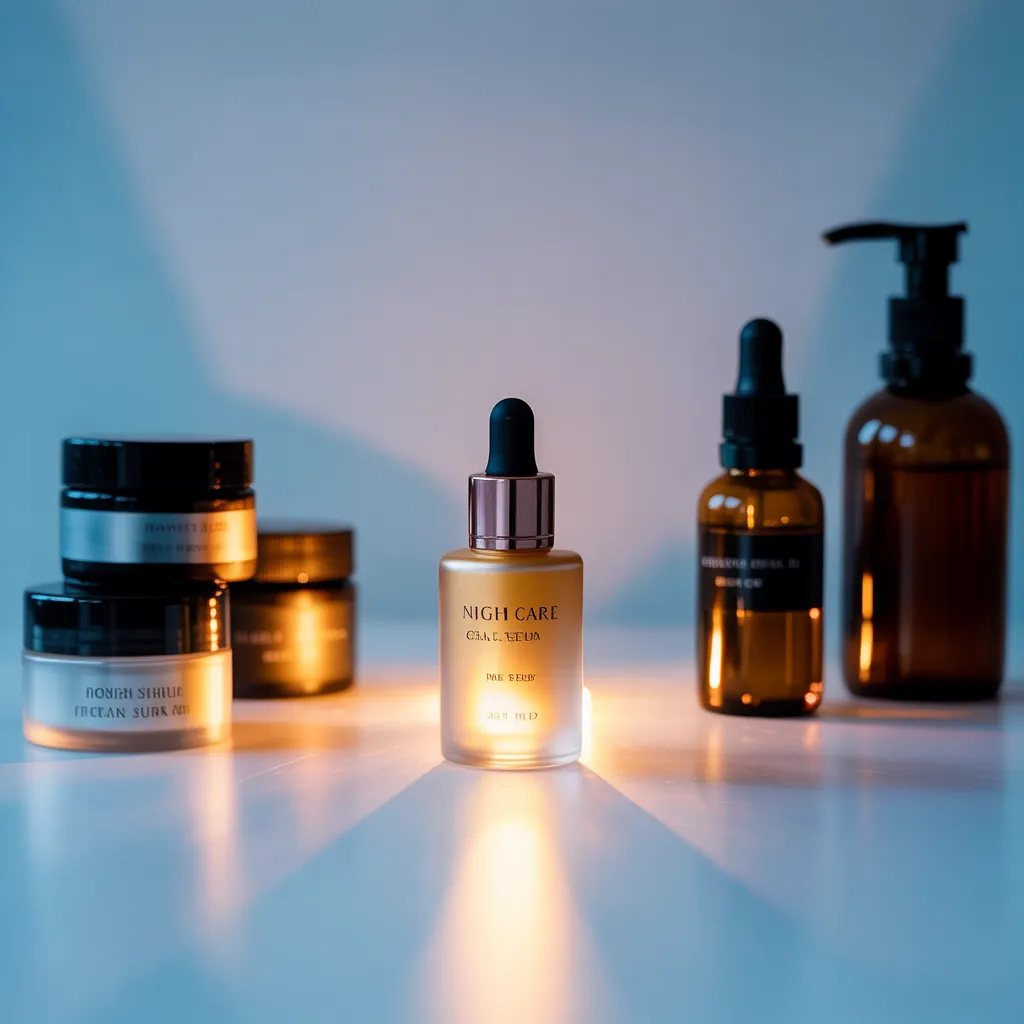
Grasping the Scientific Principles Behind Night Serums
Though various skincare products promise transformative results, night serums stand explore this topic out due to their exceptional formulation and purpose. These specialized treatments are created to penetrate the skin more deeply during the nighttime hours when the body naturally heals itself. The skin's temperature rises at night, improving absorption and efficacy. Night serums often contain high-strength active ingredients, which work collectively to address concerns such as hydration, aging, and uneven skin tone. The absence of environmental stressors, such as UV exposure and pollution, enables these serums to perform at peak efficiency. By utilizing the skin's natural regenerative processes, night serums can support cellular turnover and rejuvenation. Thus, incorporating a night serum into a skincare routine can greatly enhance total skin health and appearance.
Important Elements to Watch for in a Night Serum
When selecting a night serum, comprehending the key ingredients is essential for attaining desired skin effects. Powerful night serums often incorporate retinol, which stimulates cell turnover and minimizes the appearance of fine lines. Hyaluronic acid is another crucial component, supplying deep hydration and plumping the skin. Antioxidants like vitamin C and E shield against environmental stressors and boost skin radiance. Peptides promote collagen production, improving skin elasticity and firmness. Furthermore, niacinamide works to even skin tone and reduce redness. Lastly, botanical extracts such as chamomile or green tea can comfort and calm the skin overnight. By focusing on these ingredients, individuals can identify a night serum customized to their specific skin concerns, ultimately optimizing their skincare routine.
How to Add a Night Serum Into Your Routine
Adding a night serum into a skincare routine can improve the benefits of the key ingredients previously discussed. To begin, one should thoroughly cleanse the skin to remove impurities and prepare it for subsequent products. Following cleansing, a toner can be applied to balance the skin's pH. Next, a few drops of the night serum should be softly massaged over the face and neck, allowing the skin to absorb the potent ingredients. It is recommended to wait a few moments for the serum to settle before applying a moisturizer to preserve moisture. This layering technique confirms that the serum's active ingredients penetrate effectively, maximizing their potential benefits for overall skin health. Consistency is key for best results.
Focusing on Specific Skin Problems With Night Serums
Night serums offer specific remedies for numerous skin concerns, making them a beneficial supplement to any skincare regimen. For those battling acne, serums featuring salicylic acid or tea tree oil can help reduce breakouts and inflammation. People seeking to minimize fine lines and wrinkles may gain advantages from serums infused with retinol or peptides, encouraging collagen production and skin renewal. Hyperpigmentation and patchy skin tone can be treated using serums with vitamin C or niacinamide, which brighten the complexion and even out skin tone. Additionally, nourishing serums with hyaluronic acid or glycerin are perfect for dry skin, delivering vital hydration overnight. By choosing the appropriate night serum, people can successfully tackle and resolve their specific skin concerns.
How to Maximize the Benefits of Your Night Serum
To make the most of the benefits of a night serum, proper application and timing are essential. First, make sure the skin is clean and dry before application to permit peak absorption. A pea-sized amount is usually sufficient; applying too much can lead to waste or irritation. Gently pat the serum into the skin rather than rubbing, which can cause unnecessary friction. It is recommended to follow the serum with a moisturizer to lock in hydration and increase efficacy. Consistency is key; using the serum nightly will deliver the best results. Furthermore, consider incorporating serums with complementary ingredients, such as hyaluronic acid or retinol, depending on skin concerns. Finally, always do a patch test to prevent adverse reactions.
FAQ
Can I Combine a Night Serum With Other Treatments?
A night serum can indeed be used alongside other treatments. However, it is essential to take into account ingredient compatibility to minimize irritation. Seeking advice from a skincare expert can offer personalized advice for an effective routine.
How Long Will It Take to Notice Results From a Night Serum?
Results from using a night serum can typically be seen within four to six weeks. Skin type, serum formulation, and consistent application are factors that influence the rate and effectiveness of visible changes.
Is a Night Serum Essential for Every Skin Type?
A night serum is not necessary for all skin types. While certain people may profit from its specific formulations, others with minimal concerns might find a straightforward routine enough for sustaining hydration and skin health.
Can I Put On Night Serum In the Daytime?
Yes, applying night serum during the day is possible. However, one should assess their skin type and the serum's ingredients, as some may be too heavy or contain ingredients better suited for nighttime use.
How Should I Store My Night Serum for Best Results?
To achieve best results, night serum ought to be maintained in a dark, temperature-controlled spot, away from direct sunlight and humid conditions. Keeping the cap securely fastened helps sustain its potency and prolongs the serum's effectiveness.